
The word "diagnosis" in a Taoist context
In Western medicine, diagnosis identifies a pathology - what is wrong, what to treat. In Taoist practice, zhen (诊) is wider: it reads the pattern of a situation. The practitioner is not asking "what is wrong with you" but "what is the relationship between your elements, your environment, your spirits, and the moment - and where has that relationship gone out of balance?"
A Taoist diagnosis might consider:
- Your Ba Zi chart - the elemental balance you were born into
- The current year's pillar - which element is now active in your life
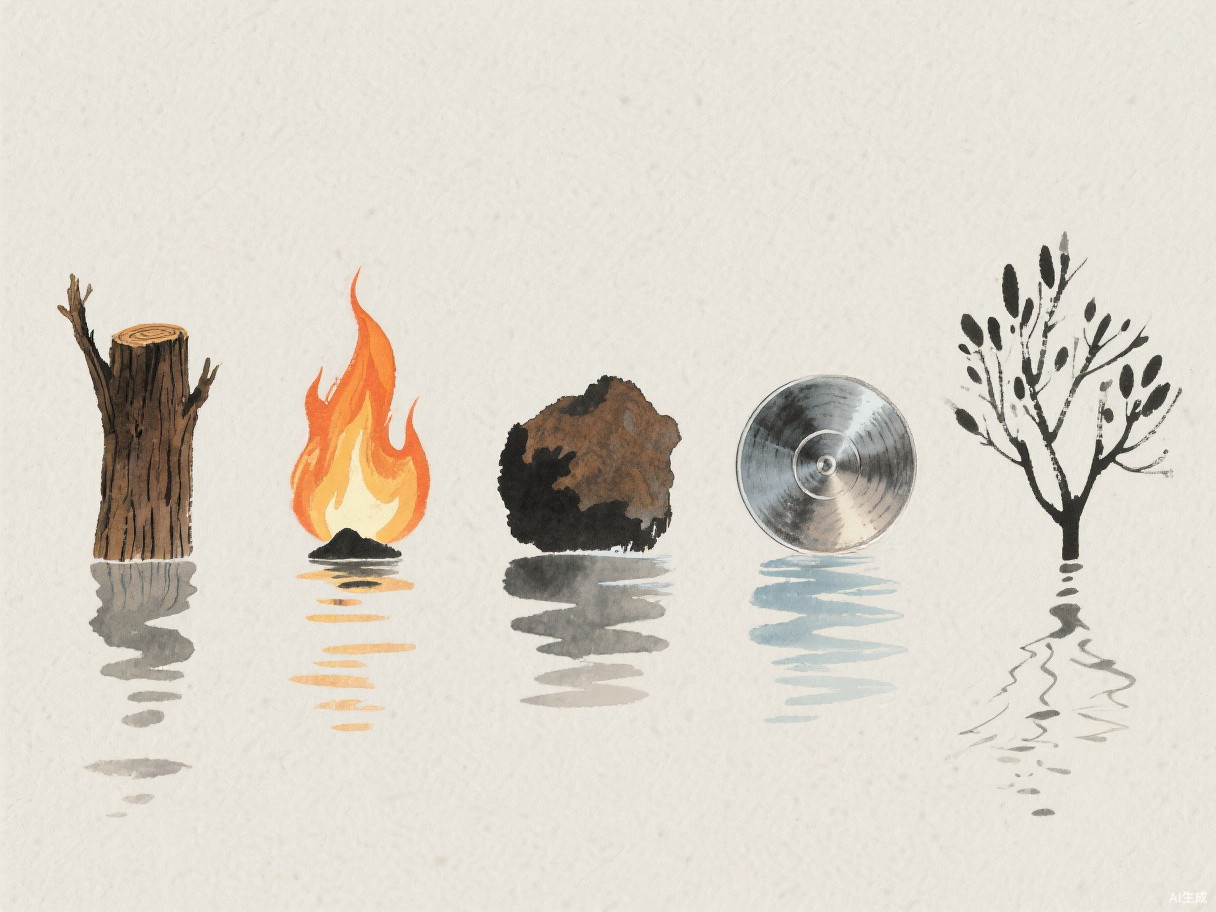
- The five elements in your home - whether your environment supports or drains your day-master
- The state of your qi - whether it is moving freely, stuck, deficient, or rebellious
- The presence of ancestors or spirits - whether there is an unsettled connection that the situation is manifesting through
This last item is where Taoist diagnosis parts ways most clearly from a purely medical or psychological reading. It does not assume every problem has a spirit dimension - but it does not assume none of them do, either. The diagnostic skill is recognizing which layer a given situation actually lives in.
The classical methods
A trained practitioner has several diagnostic instruments, often used in combination:
- Ba Zi (Four Pillars) - the foundational chart, read for elemental balance, ten-year luck periods, and the day-master's strength.
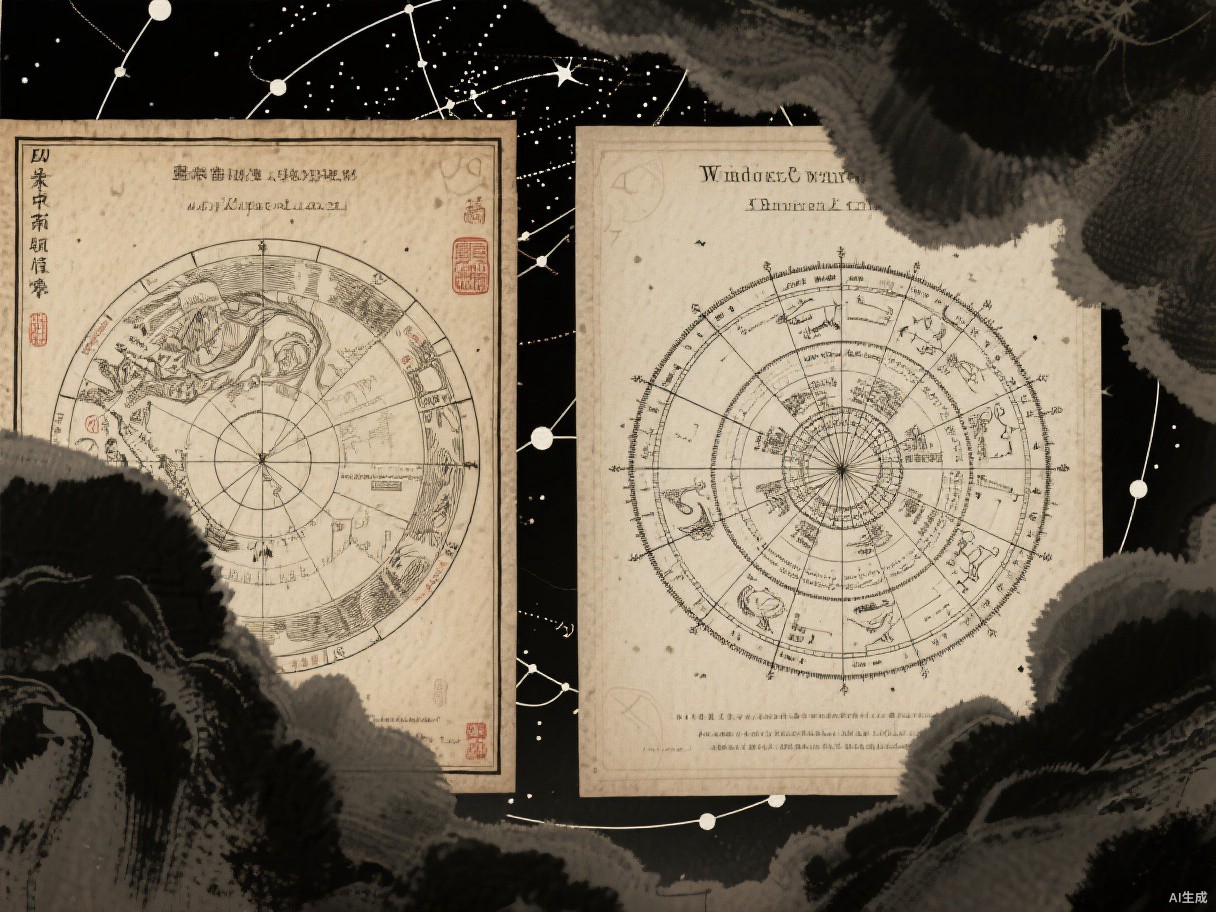
- Qi Men Dun Jia (奇门遁甲) - a divination matrix that maps the spatial and temporal pattern of a situation. Used for timing-sensitive questions: when to act, where the resistance is, which direction holds the opening.
- Liu Yao (六爻) - six-line divination, often used for relational or material questions. Lighter than Qi Men, faster to cast, and often clearer on interpersonal dynamics.
- Mei Hua Yi Shu (梅花易数) - "plum blossom divination," based on numbers derived from a moment. Used for quick, situation-specific readings.
- Feng Shui audit - reading the home or workspace as part of the same pattern.
A serious practitioner does not use all of these for one question. They choose one or two instruments appropriate to the layer the question lives in.
What a reading actually looks like
A Taoist spiritual diagnosis is not a one-shot pronouncement. It is closer to a doctor's appointment combined with a structural reading. A typical session:
- The presenting question - "Why does the same conflict keep returning in my relationships?" or "I have been stuck on this decision for a year."
- The chart reading - the practitioner reads the Ba Zi to understand the constitutional pattern. In the conflict example: is the day-master being controlled by the seven-killings star (an authority pattern), or drained by a weak resource element?
- The situational divination - cast Qi Men or Liu Yao for the specific question, looking at the moment's pattern.
- The environmental check - what is going on in the person's home, particularly the bedroom and the entrance.
- The synthesis - the practitioner explains where the layers reinforce each other, and which one is the leverage point.
- The prescription - which may include a qi gong practice, an environmental adjustment, a ritual for an unsettled ancestor, a piece of timing advice ("do not sign this before the next Jia Zi day"), or a referral to a different modality if the question is genuinely psychological.
How this differs from "fortune-telling"
The popular image of Chinese divination - someone in a market, reading your zodiac animal and telling you your lucky color - is a degraded form. The classical systems are diagnostic instruments, and they work the way any diagnostic instrument works: they generate data, and the practitioner interprets it within a body of theory.
A good reading does not tell you what will happen. It tells you:
- The pattern of the situation
- The leverage point - where intervention will actually move the system
- The timing - when action is supported and when it is not
- The cost - what you will have to give up to make the move
Most importantly, a serious reading respects the practitioner's own limits. If the situation is medical, the reading names the layer and points to a physician. If it is psychological, the same. The Taoist diagnostic skill includes knowing which layer a question does not belong to you.
The red line to watch
Because the field is unregulated in most countries, there is a real range of practitioner quality. Two signals separate a diagnostic reading from a manipulative one:
- A diagnostic reading names the pattern, not your dependency. The practitioner should leave you more able to read your own life, not more dependent on theirs.
- A diagnostic reading distinguishes its layers from yours. A practitioner who insists every situation has a spirit dimension, or who blames an ancestor for everything you bring them, is either over-extended or selling you something.
The classical line is zhi bing, bu zhi ming - "treat the pattern, not the fate." The reading is meant to clarify the situation, not to bind you to its verdict.
If you want to explore this
The first step is rarely a spiritual diagnosis. It is usually a Ba Zi reading, because the elemental balance of your own chart is the foundation everything else is read against. The Destiny Atlas generates that foundational chart with the day-master analysis, elemental distribution, and pattern recognition - the same data a practitioner would open with.
If, after reading your own chart, you recognize a pattern that keeps returning despite your own practices, that is when a full diagnostic reading earns its place. Not as a verdict, but as a structural reading of a situation you already half-knew.
Weekly wisdom, straight to your inbox
Essays, seasonal guidance, and energy insights - one letter a week, no noise.
DaoMind Pro
Read your own chart
Generate your full Ba Zi chart and elemental balance - the same data a practitioner opens with.
Open Destiny Atlas ->